

Proposed page address: `/benefits-community-engagement-senior-living` SEO title: Benefits of Community Engagement in Senior Living Search description: Learn how social connection, activities, shared meals, and purposeful routines can support well-being and quality of life in senior living.
A fulfilling life is built from everyday moments: sharing a meal, laughing with a neighbor, trying a new activity, listening to music, spending time outdoors, or simply having someone nearby who knows your name.
That is why community engagement is an important part of senior living. It is not about keeping every hour busy. It is about creating opportunities for connection, purpose, movement, creativity, and choice.
Connection supports well-being
Life changes such as retirement, moving, losing a spouse, or giving up driving can make it harder for older adults to maintain social routines. Over time, limited contact can contribute to loneliness and isolation.
The National Institute on Aging notes that social isolation and loneliness can affect physical and mental health. Research supported by the institute has also associated social engagement with better cognitive health. A senior living community can make connection more accessible by bringing neighbors, team members, activities, dining, and transportation into one supportive environment.
Connection can happen in many ways. Some residents enjoy large events and group outings. Others prefer a quiet conversation, a card game with a few friends, or a familiar face at breakfast.
Activities create structure and anticipation
A regular rhythm can make each day feel more comfortable and purposeful. Activities give residents something to look forward to and can help mark the day or week.
A well-rounded calendar may include:
- Music, art, crafts, and creative expression
- Games, trivia, and lifelong-learning programs
- Gentle exercise, stretching, or walking
- Gardening and time outdoors
- Religious or spiritual gatherings
- Community outings and scenic drives
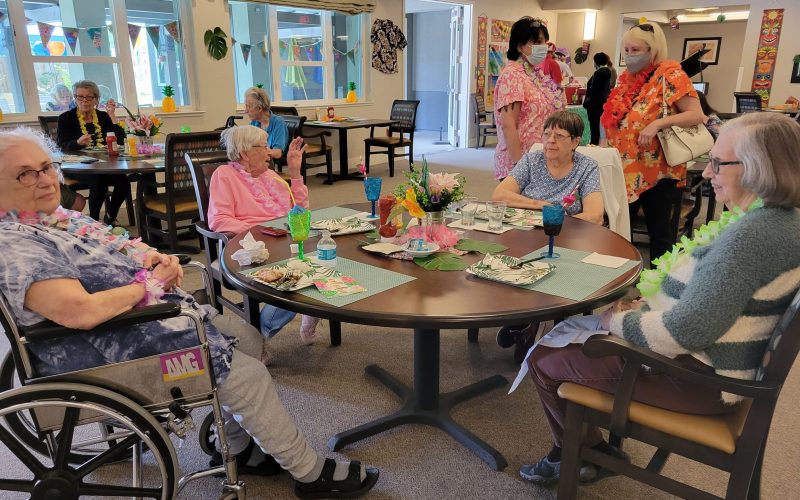
- Holiday celebrations and family events
- Small-group conversations and clubs
- Volunteer or service projects
The best programs are flexible. Residents should be invited and encouraged without feeling pressured. Activities should also reflect different abilities, backgrounds, personalities, and interests.
Shared experiences help friendships grow
Making new friends can feel difficult at any age. Senior living creates natural opportunities for relationships to develop over time.
A resident may first recognize someone from the dining room, then sit together during an activity, and eventually form a friendship. These repeated, low-pressure interactions can make a new community feel familiar.
Team members also play an important role. They can introduce residents with shared interests, make newcomers feel welcome, and notice when someone may need extra encouragement or a quieter way to participate.
Engagement can support movement and confidence
Community life often makes physical activity easier to access. Residents may join a walking group, participate in chair exercise, garden, dance, or take an outing that naturally adds movement to the day.
Appropriate activity can help residents maintain mobility, balance, and confidence. Programs should always be adapted to the individual and follow guidance from health professionals when needed.
Even small choices—walking to the dining room, helping set up an activity, or spending time in the garden—can create meaningful movement and independence.
Purpose matters as much as entertainment
Engagement is not only recreation. People want to feel useful, known, and connected to something larger than themselves.
Purpose may come from welcoming a new neighbor, caring for a plant, helping with a community project, sharing a skill, attending a spiritual service, or staying involved with family traditions.
Communities can support purpose by learning each resident’s history and preferences. A retired teacher may enjoy leading a discussion. A lifelong gardener may feel most at home near the raised beds. A music lover may light up during a sing-along or piano performance.
The activity matters, but the personal connection matters more.
Engagement looks different in memory care
For someone living with Alzheimer’s disease or another form of dementia, activities may need to be shorter, simpler, and connected to familiar experiences.
Music, folding towels, arranging flowers, looking through photographs, gentle movement, baking, or sensory activities can support comfort and participation. Success is not measured by completing a task perfectly. It is measured by moments of interest, calm, connection, or joy.
A predictable routine and patient guidance can help residents participate at their own pace.
Families remain part of community life
Moving to senior living does not replace family relationships. It can give families new ways to spend time together without every visit being centered on household chores or caregiving tasks.
Families may join residents for meals, celebrations, outings, or quiet time in an apartment or common area. They can also share personal history, favorite music, traditions, and interests with the community team to help create more meaningful experiences.
What to look for when visiting a community
When touring a senior living community, look beyond the activity calendar. Ask:
- How do you learn each resident’s interests?
- How are new residents introduced to community life?
- What options are available for people who prefer small groups?
- How are activities adapted for mobility or memory needs?
- Can families participate?
- How do you support residents who are hesitant to join?
Observe whether residents seem comfortable and whether team members interact with warmth and familiarity. Engagement should feel genuine, not staged.
A community should make connection easier
The strongest senior living communities offer more than a place to live. They create everyday opportunities to belong.
At Timber Ridge and Vine Ridge, residents can enjoy shared meals, activities, outings, comfortable gathering spaces, and the freedom to participate in ways that feel right for them. Our goal is to support independence while making friendship, purpose, and connection part of daily life.
Suggested supporting source: National Institute on Aging — Loneliness and Social Isolation