Personalized assistance
Support with daily tasks based on each resident’s abilities, preferences, and care plan.


Renaissance Memory Care
Thoughtful care, comfortable spaces, and welcoming Northern California communities where every resident can feel known and supported.
Understanding your options
Renaissance Memory Care supports people living with Alzheimer’s disease, dementia, and other forms of memory loss. Our goal is to help each resident feel safe, known, and connected through compassionate care, consistent routines, and meaningful daily experiences.
Choosing care is personal. Our team can help families understand today’s needs, ask the right questions, and consider what may be helpful in the future.
How we can help
Services are based on a personalized assessment and care plan, with dignity, comfort, and choice at the center.
Support with daily tasks based on each resident’s abilities, preferences, and care plan.
Patient, respectful approaches that support comfort, understanding, and connection.
Thoughtfully structured settings designed to support safe movement and reduce wandering risks.
Music, movement, familiar tasks, conversation, and sensory experiences adapted to the individual.
Predictable rhythms that can reduce confusion and help each day feel more familiar.
Clear communication and a shared focus on the resident’s history, preferences, and changing needs.

Everyday life
Good memory care looks beyond a diagnosis. Favorite music, personal history, familiar routines, and comfortable surroundings can help residents feel recognized and at home.
Planning the next step
A care professional can help evaluate medical and daily-living needs. These common signs can help families begin the conversation.
Find your community
Each location has its own character, with the same focus on personal support, connection, and peace of mind.
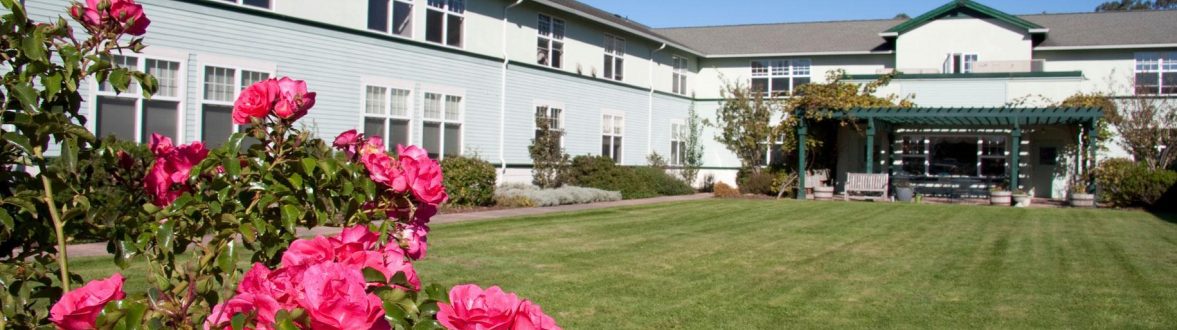
Explore care, accommodations, daily life, and ways to plan a personal visit.
Explore the community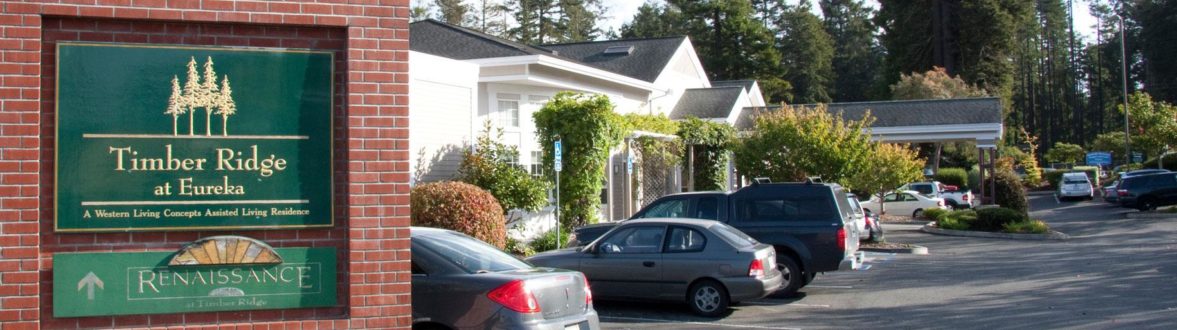
Explore care, accommodations, daily life, and ways to plan a personal visit.
Explore the community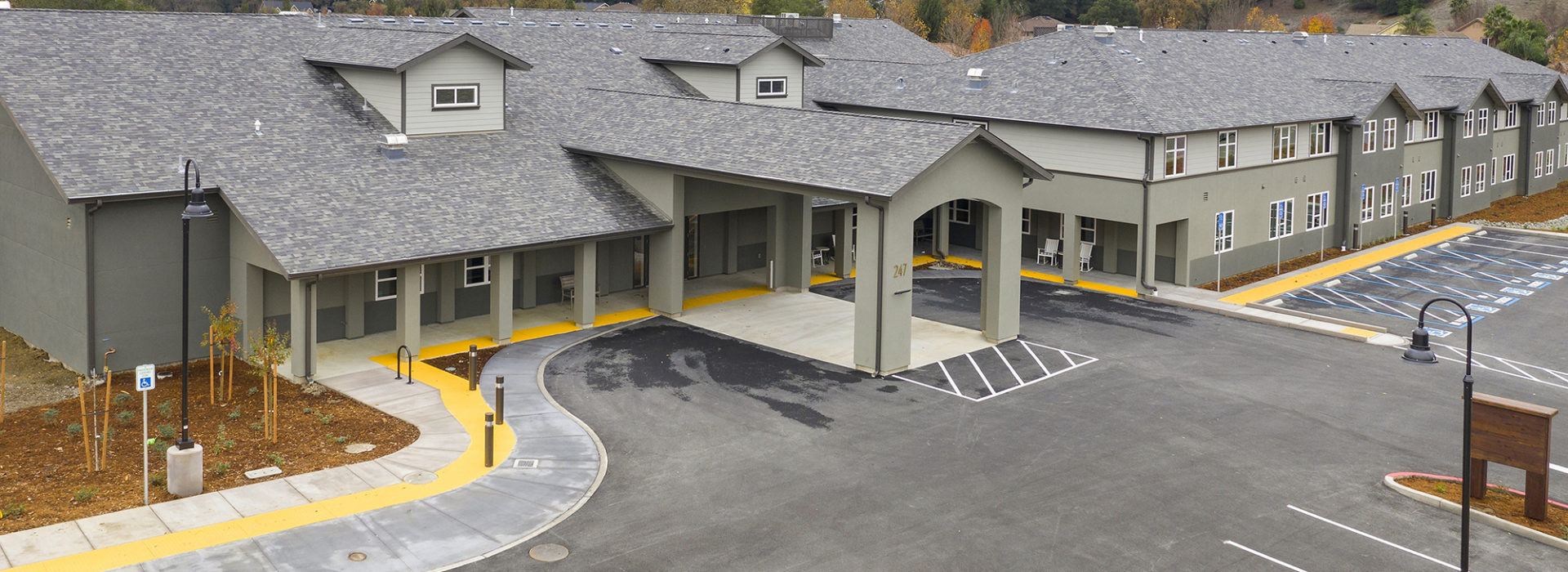
Explore care, accommodations, daily life, and ways to plan a personal visit.
Explore the communityCommon questions
Memory care includes everyday personal support with additional attention to cognitive needs, communication, routine, security, and more frequent observation.
Activities are adjusted for residents’ abilities, attention spans, interests, and comfort. Programs may include music, movement, sensory experiences, familiar tasks, and reminiscence.
Increasing safety concerns, wandering, confusion, difficulty with personal care, or the need for more supervision can signal that specialized support may be helpful. A physician and community assessment can help guide the decision.
Care plans are personalized and should be reviewed as a resident’s needs, preferences, and abilities change.
Talk with our team
Ask questions, discuss your family’s needs, and schedule a personal visit.